


Setup Instructions
Initial Tank Preparation
Clean your 90L aquarium thoroughly with aquarium-safe products. Position away from direct sunlight in a stable location to maintain consistent temperatures. Install your basic filtration system with gentle to moderate flow, as Aponogeton species benefit from water movement[23].
Substrate and Hardscape
Create a nutrient-rich foundation using 3-4 inches of fine gravel mixed with aquarium soil or plant-specific substrate[23][25]. Aponogeton species are heavy root feeders requiring nutrient-dense substrates for optimal growth[32][33]. Add pieces of driftwood and smooth stones to create natural divisions and provide hiding spots for the diverse community.
Specialized Plant Installation
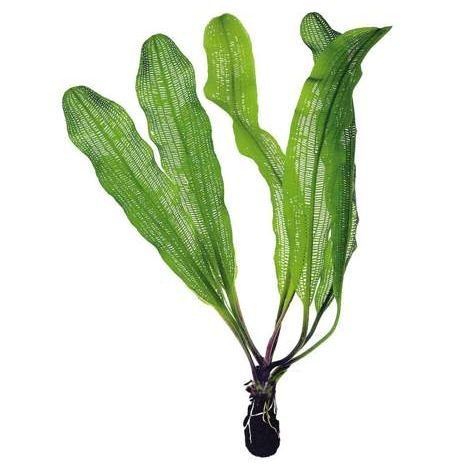
Madagascar Lace (A. madagascariensis): Plant with only half the bulb buried in substrate to prevent bulb rot[33]. This is the most challenging species requiring specific placement away from high-flow areas[26].
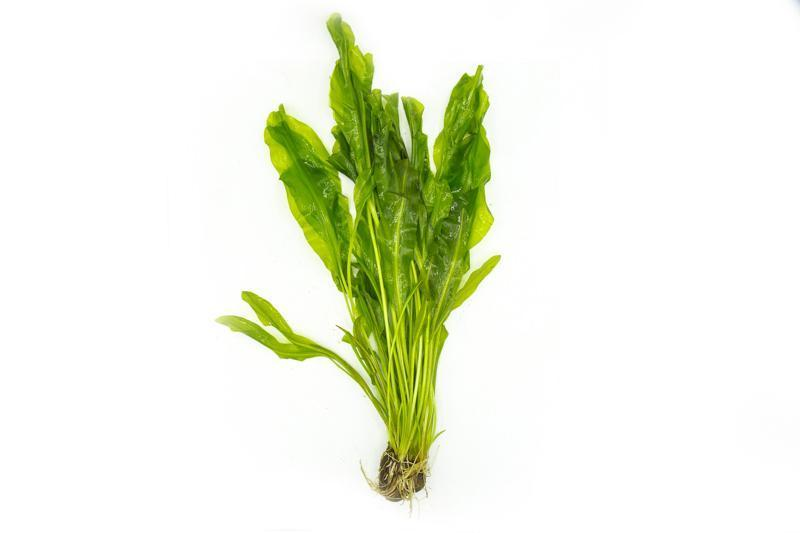
Aponogeton ulvaceus: Bury bulb completely in nutrient-rich substrate with growing tip just above surface[25].
Aponogeton longiplumulosus: Plant similar to ulvaceus with moderate substrate depth[27].
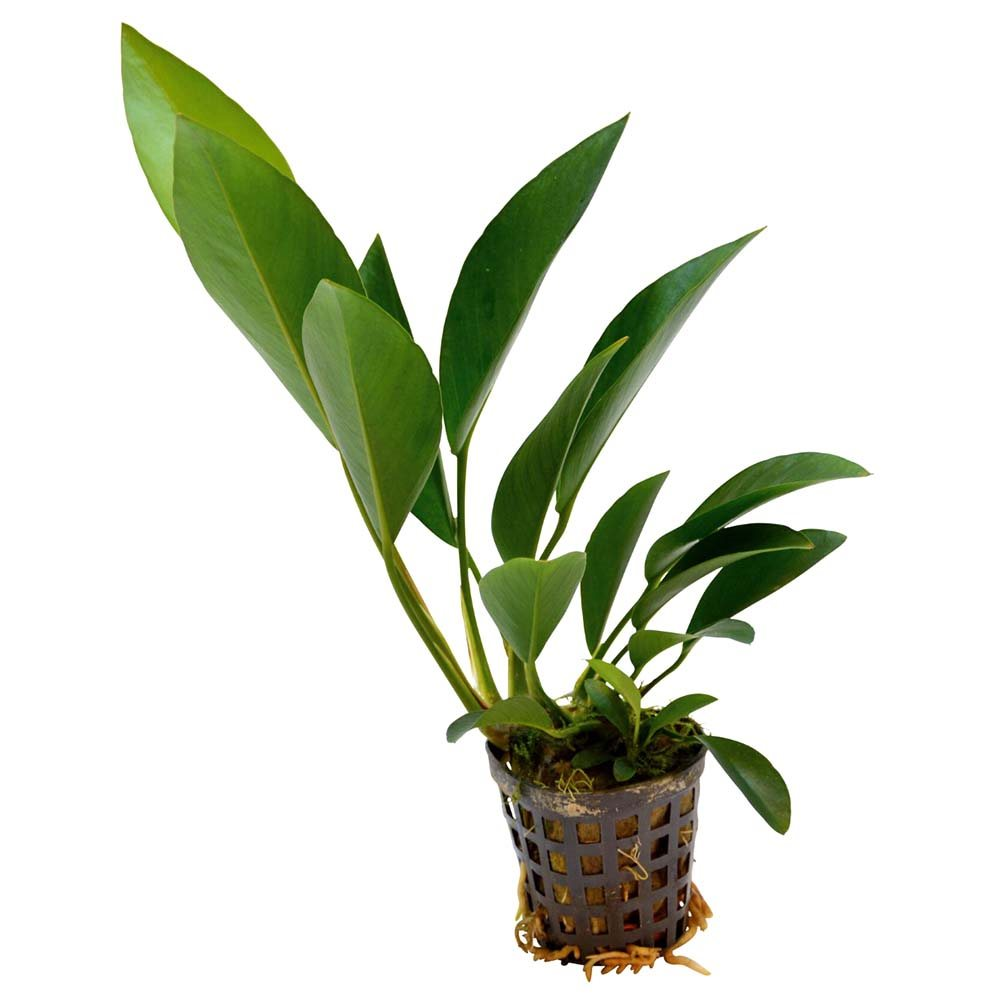
Anubias afzelii: Attach to driftwood or rocks - do NOT bury the rhizome as this causes rot[28][35].
Water Parameters Setup
Establish these carefully balanced parameters:
- Temperature: 22-24°C (accommodating Madagascar Lace's preference for cooler water)[26][40]
- pH: 6.0-7.0 (optimal for both plants and fish)[23][30][37]
- Water hardness: 70-145 ppm (compromise for all inhabitants)
- KH: 3-5 dKH (essential for snail shell development)[38]
Lighting Configuration
Install moderate lighting (6-8 hours daily) as Aponogeton species prefer lower light conditions[23][34][40]. Too much light can cause algae problems on the delicate Madagascar Lace leaves[26][28].
Cycling and Maturation
Allow 8-10 weeks for complete ecosystem establishment. Introduce plants first, then snails and shrimp after 4 weeks, Corydoras after 6 weeks, and finally the sensitive Chili rasboras after full cycle completion[30][37].
Maintenance Tips
Critical Plant Care
Madagascar Lace Maintenance: This is the most demanding aspect of the setup[26]:
- Clean perforated leaves every 2-3 weeks by gently rubbing between palms to remove debris
- Trim dead/damaged leaves immediately to prevent energy drain
- During dormancy period (usually summer), remove most leaves leaving only 3-5 healthy ones
- Annual bulb cleaning: Dig up bulb during dormancy, remove rotting portions with knife, apply activated carbon powder, let dry, then replant
Weekly Maintenance Routine
Perform 15-25% water changes weekly using temperature-matched, dechlorinated water[26]. Clean water is essential as the Madagascar Lace's perforated structure traps debris easily[26].
Nutrient Management
Weekly supplementation schedule[26]:
- Add 1mg/L monopotassium phosphate
- Add 10mg/L potassium nitrate
- Small amount of liquid iron
- Insert root tabs every few months around Aponogeton bulbs[27][32]
Water Quality Monitoring
Test parameters twice weekly initially:
- Maintain ammonia and nitrite at 0 ppm
- Keep nitrates below 20 ppm
- Monitor pH stability (6.0-7.0 range)
- Verify temperature consistency at 22-24°C[29][36][37]
Feeding Schedule
Fish: Feed high-quality micro foods suitable for small species[30][37]:
- Chili rasboras: micro pellets, frozen brine shrimp, daphnia
- Corydoras: sinking pellets, bloodworms (2-3 times weekly) Community: Snails and shrimp will scavenge naturally, supplement with algae wafers monthly[38]
Lighting and Flow Management
Maintain consistent 6-8 hour lighting schedule[34]. Ensure moderate water flow throughout tank to prevent debris accumulation on plant leaves while avoiding excessive current that stresses small fish[23][37].
Species Compatibility
Plant Community Dynamics
Aponogeton Species Compatibility: All three Aponogeton varieties are compatible but have different requirements[23][32]:
- Madagascar Lace: Most demanding, requires coolest temperatures and cleanest water
- A. ulvaceus: Hardy and adaptable, good beginner Aponogeton
- A. longiplumulosus: Moderate care, slower growing
- Anubias afzelii: Extremely hardy, tolerates various conditions[28][35]
Fish Community Balance
Chili Rasboras (Boraras briggitae): School of 8-10 minimum required[30][37]:
- Very peaceful but timid due to tiny size (1.5-2cm)
- Prefer acidic to neutral pH (6.0-7.5)
- Need dense plant cover for security
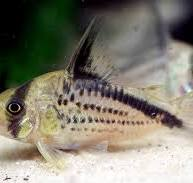
Corydoras (Hoplisoma loxozonum): Group of 4-6 recommended[29][36]:
- Peaceful bottom-dwellers compatible with small fish
- Require sandy substrate for barbel health
- Temperature range 20-26°C fits well with community needs
Invertebrate Integration
Blue Dream Shrimp: Colony of 10-15 individuals[11]:
- Excellent cleanup crew, consume algae and organic waste
- Compatible with peaceful fish community
- May breed readily in stable conditions
Ramshorn Snails (Planorbella duryi): Start with 5-8 individuals[31][38]:
- Peaceful algae eaters and detritus consumers
- Require pH above 6.5 and adequate minerals for shell development
- Control population through feeding management
Critical Compatibility Considerations
Size Compatibility: Chili rasboras are extremely small (1.5-2cm) and could potentially be eaten by larger tankmates, but Corydoras loxozonus are appropriately sized and peaceful[30][29].
Temperature Compromise: 22-24°C accommodates the Madagascar Lace's need for cooler water while remaining within acceptable ranges for all fish species[26][30][37].
Water Chemistry Balance: pH 6.0-7.0 suits the slightly acidic preferences of Chili rasboras while providing adequate alkalinity for snail shell development[30][37][38].
Behavioral Observations
Monitor for these positive indicators:
- Chili rasboras schooling actively in upper to mid-water column
- Corydoras foraging peacefully on bottom without disturbing plant roots
- Shrimp and snails actively cleaning plant surfaces without damage
- All Aponogeton species showing steady growth with minimal leaf damage
Risk Management
- Plant sensitivity: Madagascar Lace serves as indicator species - if struggling, check water quality immediately
- Fish stress: Provide dense plant coverage as Chili rasboras are naturally skittish
- Population control: Monitor snail reproduction and remove excess if needed
- Feeding balance: Avoid overfeeding as small fish have tiny stomachs and excess food degrades water quality quickly