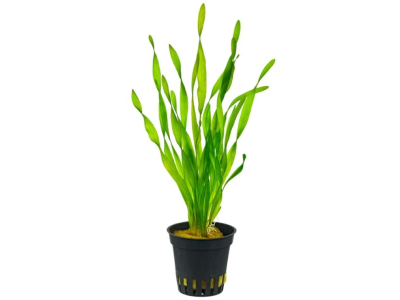
Vallisneria spiralis
Straight Vallisneria
Scientific Classification
Quick Stats
Aquarium Building Information
About This Species
Basic Description
Often called Tape Grass or Eelgrass, Straight Vallisneria is a highly adaptable and fast-growing background plant ideal for beginners in the aquarium hobby. This species is celebrated for its hardiness, thriving in a wide variety of water conditions and lighting setups, from low-tech tanks to brightly lit aquascapes. Its long, ribbon-like leaves grow quickly towards the surface, creating a beautiful, dense green curtain that serves as an excellent natural backdrop. This growth provides a sense of depth to the aquarium and offers a safe hiding place for shy fish and fry.
One of its most valuable traits is its ability to improve water quality. As a fast-growing plant, it effectively absorbs excess nutrients, such as nitrates and phosphates, from the water column, helping to outcompete algae and keep the tank cleaner. It is also a prolific oxygen producer, which benefits the entire aquatic ecosystem. Care is straightforward; simply plant it in the substrate, ensuring the crown (where the leaves meet the roots) is not buried, and it will begin to spread and fill in the designated area without requiring carbon dioxide injection or specialized fertilizers, making it a low-maintenance choice for any freshwater setup.
Detailed Description
Straight Vallisneria, also known by aquarists as Tape Grass, is a classic and resilient background plant renowned for its straightforward care and rapid growth. Its impressive adaptability allows it to flourish across a broad spectrum of water parameters, including a wide range of temperatures, pH levels, and water hardness, making it suitable for most community freshwater aquariums without the need for precise adjustments. This plant is particularly forgiving when it comes to lighting and nutrients. It can subsist in low-light environments, though its growth rate and density will increase significantly under medium to high illumination. Furthermore, it does not require supplemental CO₂ injection, deriving sufficient carbon from the water, which solidifies its status as an excellent choice for low-tech or beginner setups.
The aesthetic appeal of this species lies in its simple yet elegant structure. It grows long, thin, tape-like leaves that rise vertically from the substrate, reaching towards the water's surface. In taller tanks, these leaves will often float along the surface, creating a natural shaded canopy that can be beneficial for fish that prefer subdued lighting. Its primary method of propagation is through runners sent out from the base of the parent plant, which quickly leads to the formation of a dense, forest-like cluster. This growth pattern makes it an ideal candidate for placement in the background or along the sides of an aquarium to hide equipment and add a lush, natural feel.
Ecologically, Straight Vallisneria is a powerhouse in the planted tank. Its fast growth is fueled by a high rate of nutrient absorption, directly removing compounds from the water that would otherwise fuel algae blooms. This function contributes to a significant reduction in the overall bioload and helps maintain water clarity and stability. Simultaneously, its photosynthetic activity releases large amounts of oxygen into the water, promoting a healthier environment for fish and invertebrates. When planting, it is crucial to place it directly into the substrate, whether sand, gravel, or a specialized aquatic soil, being careful not to bury the crown to prevent rot. While it can draw nutrients from the water column, it benefits greatly from a nutrient-rich substrate or the occasional use of root-tab fertilizers to sustain its vigorous growth.
Scientific Description
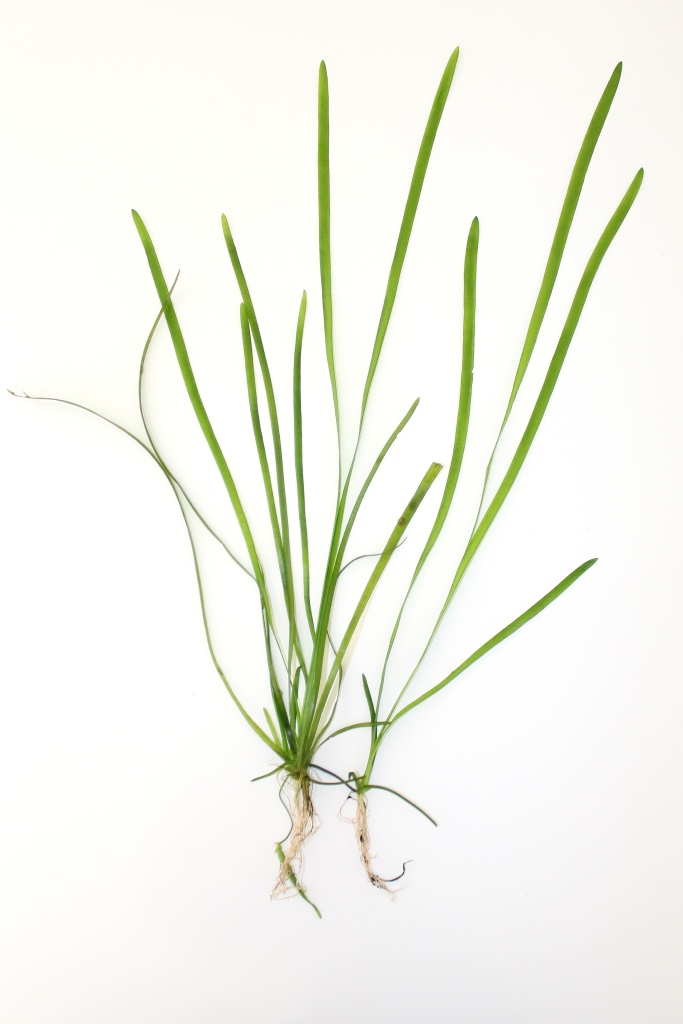
Vallisneria spiralis is a submerged, perennial aquatic herb belonging to the Hydrocharitaceae family. This species exhibits a wide native distribution across the temperate and tropical regions of the Old World, which contributes to its notable genetic plasticity and tolerance for diverse environmental conditions. Its IUCN status as Least Concern (LC) reflects its widespread prevalence and robust populations. Morphologically, V. spiralis is acaulescent, meaning it lacks a true stem. Instead, it forms a basal rosette of linear, ribbon-like leaves that emerge directly from a buried crown and root system. These leaves are typically thin and flat with an obtuse or rounded apex and can grow to considerable lengths, often reaching the water's surface.
The species name "spiralis" is somewhat of a misnomer regarding its foliage, as the leaves are generally straight. The name actually refers to the morphology of the female flower's peduncle (stalk), which is long and helically coiled. This coil allows the flower to float on the surface for pollination and then retracts post-fertilization to pull the developing fruit underwater for maturation. As a dioecious plant, individuals are either male or female. Male plants produce a short-stalked inflorescence near the substrate, releasing tiny, free-floating flowers that drift to the surface to pollinate the female flowers. This method of sexual reproduction is known as surface hydrophily.
In an ecological context, V. spiralis is a significant primary producer and ecosystem engineer. Its dense stands, often referred to as "meadows," stabilize sediments, reduce water turbidity, and create complex structural habitats that serve as crucial nurseries and refuges for invertebrates and juvenile fish. Its high rate of photosynthesis results in substantial oxygen production, while its capacity for high nutrient uptake makes it an effective biological filter, sequestering nitrates, phosphates, and other dissolved compounds. This contributes to the overall health and balance of aquatic ecosystems by mitigating eutrophication and competing with phytoplankton and nuisance algae.
Reproduction Description
Propagating Straight Vallisneria is remarkably easy, making it an excellent species for aquarists of all skill levels to multiply and share. The primary and most reliable method of reproduction in an aquarium setting is asexual, occurring through the production of horizontal stems known as runners or stolons.
Under stable conditions, a healthy parent plant will extend a runner just above or below the surface of the substrate. At the end of this runner, a new, genetically identical daughter plantlet will begin to form. This new plant will develop its own small leaves and a root system while still attached to and nourished by the parent. Once the plantlet has several leaves and its roots are well-established enough to anchor it, it can be separated. To do this, simply use a pair of aquascaping scissors to snip the runner connecting it to the parent plant. The new plant can then be gently uprooted and replanted in a new location. Ensure the crown—the point where the leaves emerge from the base—is positioned just above the substrate surface to prevent rot.
Environmental factors directly influence the speed and success of propagation. While this species is adaptable, providing moderate to high lighting and a nutrient-rich substrate (or supplementing with root-tab fertilizers) will significantly accelerate the production of runners. Stable water temperature and nutrient levels also encourage vigorous, steady growth. CO₂ injection is not necessary for successful propagation. While Vallisneria spiralis is capable of sexual reproduction via flowers and seeds, this is a rare event in home aquariums and is not a practical method for hobbyist propagation.
A common issue encountered after transplanting is "melting," where the existing leaves die back as the plant adjusts to new water parameters. This is normal, and as long as the crown and root system are healthy, the plant will soon produce new leaves adapted to its current environment. To maintain healthy growth across a dense cluster, periodically thin out older or overgrown plants to improve water flow and light penetration to the newer growths.
Generate Printable Card
Create a printable card for this creature to display in your store or aquarium. The card includes a QR code for quick access to more information.