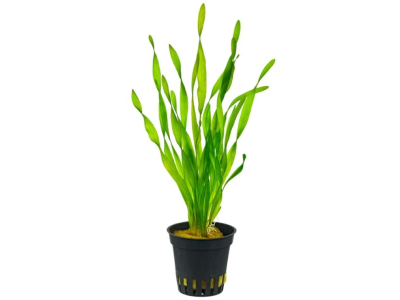
Vallisneria spiralis
Straight Vallisneria
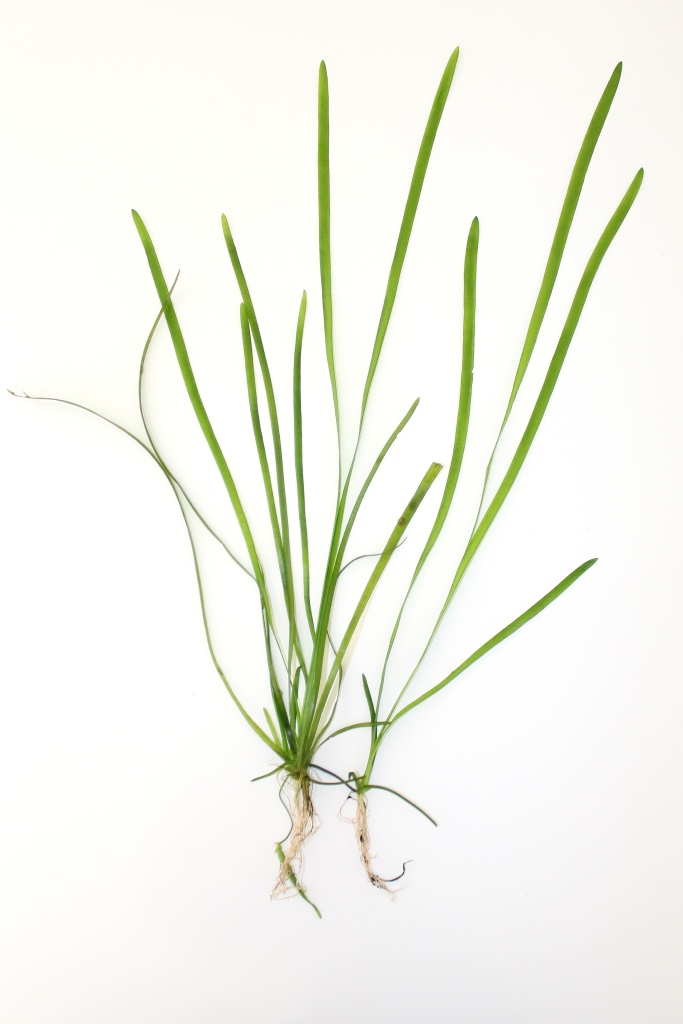
Wissenschaftliche Klassifizierung
Schnellstatistiken
Aquarienbau-Informationen
Über diese Art
Grundbeschreibung
Die Glatte Vallisnerie, oft auch Bandgras oder Aalgras genannt, ist eine äußerst anpassungsfähige und schnellwachsende Hintergrundpflanze, die ideal für Anfänger in der Aquaristik ist. Diese Art wird für ihre Robustheit geschätzt und gedeiht in einer Vielzahl von Wasserbedingungen und Beleuchtungssituationen, von Low-Tech-Becken bis hin zu stark beleuchteten Aquascapes. Ihre langen, bandartigen Blätter wachsen schnell zur Oberfläche und bilden einen wunderschönen, dichten grünen Vorhang, der als ausgezeichnete natürliche Kulisse dient. Dieses Wachstum verleiht dem Aquarium ein Gefühl von Tiefe und bietet scheuen Fischen sowie Jungfischen ein sicheres Versteck.
Eine ihrer wertvollsten Eigenschaften ist ihre Fähigkeit, die Wasserqualität zu verbessern. Als schnellwachsende Pflanze absorbiert sie effektiv überschüssige Nährstoffe wie Nitrate und Phosphate aus der Wassersäule, was dabei hilft, Algen zu verdrängen und das Becken sauberer zu halten. Sie ist auch ein ergiebiger Sauerstoffproduzent, was dem gesamten aquatischen Ökosystem zugutekommt. Die Pflege ist unkompliziert: Man pflanzt sie einfach in den Bodengrund und achtet darauf, dass die Krone (der Punkt, an dem die Blätter auf die Wurzeln treffen) nicht eingegraben wird. Sie wird dann beginnen, sich auszubreiten und den vorgesehenen Bereich zu füllen, ohne dass eine Kohlendioxid-Zufuhr oder spezielle Düngemittel erforderlich sind, was sie zu einer pflegeleichten Wahl für jedes Süßwasseraquarium macht.
Detaillierte Beschreibung
Die Glatte Vallisnerie, unter Aquarianern auch als Bandgras bekannt, ist eine klassische und widerstandsfähige Hintergrundpflanze, die für ihre unkomplizierte Pflege und ihr schnelles Wachstum bekannt ist. Ihre beeindruckende Anpassungsfähigkeit ermöglicht es ihr, in einem breiten Spektrum von Wasserparametern zu gedeihen, einschließlich eines weiten Bereichs von Temperaturen, pH-Werten und Wasserhärte, was sie für die meisten Süßwasser-Gesellschaftsaquarien ohne die Notwendigkeit präziser Anpassungen geeignet macht. Diese Pflanze ist besonders tolerant in Bezug auf Beleuchtung und Nährstoffe. Sie kann in Umgebungen mit schwachem Licht überleben, obwohl ihre Wachstumsrate und Dichte unter mittlerer bis hoher Beleuchtung deutlich zunehmen. Darüber hinaus benötigt sie keine zusätzliche CO₂-Zufuhr, da sie ausreichend Kohlenstoff aus dem Wasser bezieht, was ihren Status als ausgezeichnete Wahl für Low-Tech- oder Anfängerbecken festigt.
Der ästhetische Reiz dieser Art liegt in ihrer einfachen, aber eleganten Struktur. Sie bildet lange, dünne, bandartige Blätter, die senkrecht vom Bodengrund zur Wasseroberfläche aufsteigen. In höheren Becken treiben diese Blätter oft an der Oberfläche und bilden ein natürliches, schattiges Blätterdach, das für Fische, die gedämpftes Licht bevorzugen, vorteilhaft sein kann. Ihre primäre Vermehrungsmethode erfolgt durch Ausläufer, die von der Basis der Mutterpflanze ausgesendet werden, was schnell zur Bildung eines dichten, waldartigen Bestandes führt. Dieses Wachstumsmuster macht sie zu einem idealen Kandidaten für die Platzierung im Hintergrund oder an den Seiten eines Aquariums, um Technik zu verstecken und ein üppiges, natürliches Gefühl zu erzeugen.
Ökologisch ist die Glatte Vallisnerie ein Kraftpaket im bepflanzten Becken. Ihr schnelles Wachstum wird durch eine hohe Nährstoffaufnahmerate angetrieben, wodurch Verbindungen direkt aus dem Wasser entfernt werden, die andernfalls Algenblüten fördern würden. Diese Funktion trägt zu einer signifikanten Reduzierung der biologischen Gesamtbelastung bei und hilft, die Wasserklarheit und -stabilität zu erhalten. Gleichzeitig setzt ihre photosynthetische Aktivität große Mengen Sauerstoff ins Wasser frei, was eine gesündere Umgebung für Fische und Wirbellose fördert. Beim Einpflanzen ist es entscheidend, sie direkt in den Bodengrund zu setzen, sei es Sand, Kies oder ein spezieller Aquariensoboden, wobei darauf zu achten ist, die Krone nicht zu tief einzugraben, um Fäulnis zu verhindern. Obwohl sie Nährstoffe aus der Wassersäule aufnehmen kann, profitiert sie stark von einem nährstoffreichen Substrat oder der gelegentlichen Verwendung von Wurzeldünger-Tabletten, um ihr kräftiges Wachstum aufrechtzuerhalten.
Wissenschaftliche Beschreibung
Vallisneria spiralis ist eine submerse, ausdauernde Wasserpflanze aus der Familie der Froschbissgewächse (Hydrocharitaceae). Diese Art weist eine weite natürliche Verbreitung in den gemäßigten und tropischen Regionen der Alten Welt auf, was zu ihrer bemerkenswerten genetischen Plastizität und Toleranz gegenüber vielfältigen Umweltbedingungen beiträgt. Ihr IUCN-Status als „Nicht gefährdet“ (Least Concern, LC) spiegelt ihre weite Verbreitung und robusten Populationen wider. Morphologisch ist V. spiralis stängellos (akauleszent), was bedeutet, dass sie keinen echten Stängel besitzt. Stattdessen bildet sie eine basale Rosette aus linearen, bandartigen Blättern, die direkt aus einer im Bodengrund verankerten Krone und einem Wurzelsystem hervorgehen. Diese Blätter sind typischerweise dünn und flach mit einer stumpfen oder abgerundeten Spitze und können eine beträchtliche Länge erreichen, oft bis zur Wasseroberfläche.
Der Artname „spiralis“ ist in Bezug auf ihr Blattwerk eine gewisse Fehlbezeichnung, da die Blätter im Allgemeinen gerade sind. Der Name bezieht sich tatsächlich auf die Morphologie des Stiels (Pedunkel) der weiblichen Blüte, der lang und spiralförmig gewunden ist. Diese Spirale ermöglicht es der Blüte, zur Bestäubung an der Oberfläche zu schwimmen, und zieht sich nach der Befruchtung zurück, um die sich entwickelnde Frucht zur Reifung unter Wasser zu ziehen. Als zweihäusige (diözische) Pflanze sind die Individuen entweder männlich oder weiblich. Männliche Pflanzen produzieren einen kurzstieligen Blütenstand nahe dem Substrat, der winzige, frei schwimmende Blüten freisetzt, die zur Oberfläche treiben, um die weiblichen Blüten zu bestäuben. Diese Methode der sexuellen Fortpflanzung ist als Oberflächenhydrophilie (Epohydrogamie) bekannt.
Im ökologischen Kontext ist V. spiralis ein bedeutender Primärproduzent und Ökosystem-Ingenieur. Ihre dichten Bestände, oft als „Wiesen“ bezeichnet, stabilisieren Sedimente, reduzieren die Wassertrübung und schaffen komplexe strukturelle Habitate, die als wichtige Brutstätten und Rückzugsgebiete für Wirbellose und Jungfische dienen. Ihre hohe Photosyntheserate führt zu einer erheblichen Sauerstoffproduktion, während ihre Fähigkeit zur hohen Nährstoffaufnahme sie zu einem effektiven biologischen Filter macht, der Nitrate, Phosphate und andere gelöste Verbindungen bindet. Dies trägt zur allgemeinen Gesundheit und zum Gleichgewicht aquatischer Ökosysteme bei, indem es die Eutrophierung abschwächt und mit Phytoplankton und Schad-Algen konkurriert.
Fortpflanzungsbeschreibung
Die Vermehrung der Glatten Vallisnerie ist bemerkenswert einfach, was sie zu einer ausgezeichneten Art für Aquarianer aller Erfahrungsstufen macht, um sie zu vermehren und zu teilen. Die primäre und zuverlässigste Vermehrungsmethode im Aquarium ist die ungeschlechtliche (asexuelle) Fortpflanzung, die durch die Bildung von horizontalen Stängeln, bekannt als Ausläufer oder Stolonen, erfolgt.
Unter stabilen Bedingungen streckt eine gesunde Mutterpflanze einen Ausläufer knapp über oder unter der Oberfläche des Bodengrunds aus. Am Ende dieses Ausläufers beginnt sich eine neue, genetisch identische Tochterpflanze zu bilden. Diese neue Pflanze entwickelt ihre eigenen kleinen Blätter und ein Wurzelsystem, während sie noch mit der Mutterpflanze verbunden ist und von ihr ernährt wird. Sobald die Jungpflanze mehrere Blätter hat und ihre Wurzeln gut genug etabliert sind, um sie zu verankern, kann sie abgetrennt werden. Dazu schneidet man einfach mit einer Aquascaping-Schere den Ausläufer durch, der sie mit der Mutterpflanze verbindet. Die neue Pflanze kann dann vorsichtig entwurzelt und an einem neuen Ort eingepflanzt werden. Stellen Sie sicher, dass die Krone – der Punkt, an dem die Blätter aus der Basis hervortreten – direkt über der Substratoberfläche positioniert ist, um Fäulnis zu verhindern.
Umweltfaktoren beeinflussen direkt die Geschwindigkeit und den Erfolg der Vermehrung. Obwohl diese Art anpassungsfähig ist, wird die Bereitstellung von mittlerer bis hoher Beleuchtung und einem nährstoffreichen Substrat (oder die Ergänzung mit Wurzeldünger-Tabletten) die Produktion von Ausläufern erheblich beschleunigen. Stabile Wassertemperaturen und Nährstoffwerte fördern ebenfalls ein kräftiges, stetiges Wachstum. Eine CO₂-Zufuhr ist für eine erfolgreiche Vermehrung nicht notwendig. Obwohl Vallisneria spiralis zur sexuellen Fortpflanzung durch Blüten und Samen fähig ist, ist dies in Heimaquarien ein seltenes Ereignis und keine praktikable Methode für die Vermehrung durch Hobbyisten.
Ein häufiges Problem nach dem Umpflanzen ist das „Einschmelzen“, bei dem die vorhandenen Blätter absterben, während sich die Pflanze an neue Wasserparameter anpasst. Dies ist normal, und solange die Krone und das Wurzelsystem gesund sind, wird die Pflanze bald neue Blätter hervorbringen, die an ihre aktuelle Umgebung angepasst sind. Um ein gesundes Wachstum in einem dichten Bestand zu erhalten, sollten ältere oder überwucherte Pflanzen regelmäßig ausgedünnt werden, um die Wasserzirkulation und die Lichtdurchdringung zu den neueren Trieben zu verbessern.
Druckbare Karte erstellen
Erstellen Sie eine druckbare Karte für dieses Tier zur Anzeige in Ihrem Geschäft oder Aquarium. Die Karte enthält einen QR-Code für schnellen Zugriff auf weitere Informationen.