
Setup Instructions
Initial Tank Preparation
Clean your 50L aquarium thoroughly with aquarium-safe cleaners. Position the tank in a stable location away from direct sunlight to prevent temperature fluctuations. Install your basic filtration system with gentle flow settings to avoid stressing the delicate shrimp species.
Substrate Installation
Add 2-3 inches of fine sand substrate, creating gentle slopes for visual appeal[1][3]. Rinse the sand extensively until water runs clear to prevent cloudiness. Fine sand allows beneficial bacteria colonization while providing a natural foraging surface for all shrimp species.
Plant Installation
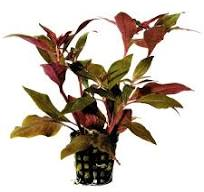
Plant Alternanthera cardinalis in the background areas, spacing plants to allow for growth expansion[8][16]. These red plants require medium to high lighting (8-10 hours daily) and will serve as biological filtration. The vibrant red coloration provides striking contrast against the diverse shrimp colors.
Water Parameters Setup
Establish these compromise parameters to accommodate all species:
- Temperature: 22-24°C (optimal range for sensitive Crystal shrimp)[6][14]
- pH: 6.5-6.8 (accommodating Crystal shrimp requirements)[6][14]
- Water hardness: 80-107 ppm (meeting Crystal shrimp needs)[6][14]
- KH: 0-1 dKH (essential for Caridina species)[6]
Filtration Setup
Configure basic filtration for gentle water movement. Use a sponge filter or adjust flow rates to create minimal current, as all shrimp species prefer calm waters[1][9]. Ensure adequate biological filtration capacity for the bioload of multiple species.
Cycling and Stabilization
Allow 6-8 weeks for complete ecosystem establishment before introducing any shrimp[6]. Test water parameters daily during cycling, as Crystal shrimp are particularly sensitive to parameter fluctuations. Introduce hardiest species (Neocaridina varieties) first, followed by Amano shrimp, and finally Crystal shrimp after full stabilization.
Maintenance Tips
Weekly Water Management
Perform 10-20% water changes weekly using temperature-matched, dechlorinated water[6][9]. Use RO/DI water remineralized to proper parameters rather than tap water, as Crystal shrimp are sensitive to trace chemicals and copper[6].
Parameter Monitoring
Test water parameters twice weekly initially, then weekly once established:
- Maintain ammonia and nitrite at 0 ppm consistently[9]
- Keep nitrates below 10 ppm (lower than typical fish tanks)[6]
- Monitor pH stability within 6.5-6.8 range
- Verify temperature remains stable at 22-24°C[6][14]
Plant Maintenance
Trim Alternanthera cardinalis regularly to maintain vibrant red coloration and prevent overgrowth[8]. Remove dying leaves immediately to prevent water quality degradation. Provide liquid fertilizer weekly in small doses, avoiding copper-containing products[6].
Filter Care
Clean filter media gently in tank water monthly to preserve beneficial bacteria colonies[9]. Replace mechanical media as needed while maintaining biological filtration media. Avoid sudden changes that could destabilize water chemistry.
Feeding Protocol
Feed high-quality shrimp pellets 2-3 times per week in small quantities[7][11]. Supplement with blanched vegetables (spinach, zucchini) and specialized foods like biofilm enhancers. Remove uneaten food within 1-2 hours to prevent water quality issues[9][11].
Molting Support
Leave shed exoskeletons in the tank as they provide valuable calcium for regrowth[9]. Ensure adequate calcium and minerals in the water for successful molting cycles, particularly important for the diverse species mix.
Species Compatibility
Species Hierarchy and Requirements
Critical Challenge: This setup combines species with significantly different care requirements:
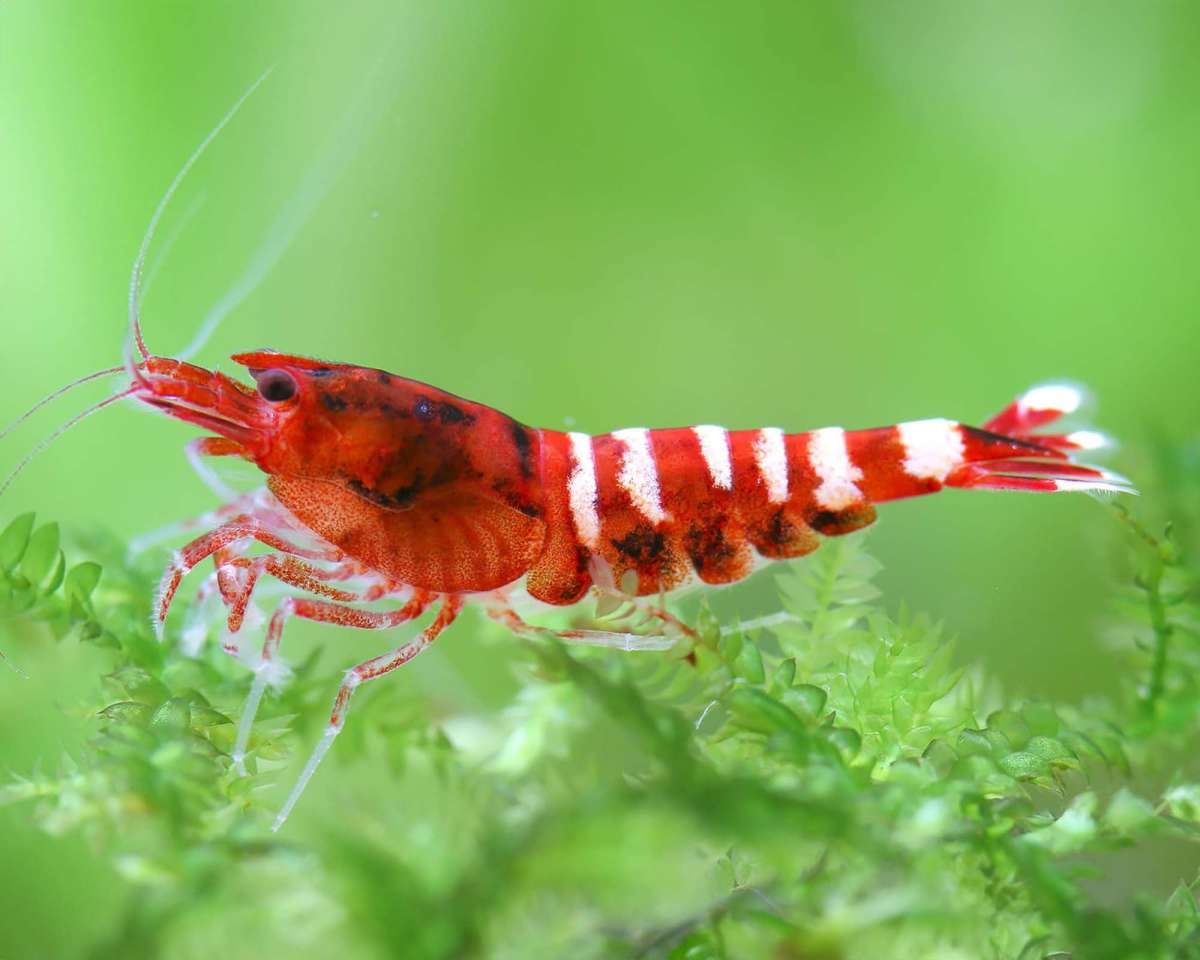
- Crystal shrimp (Caridina cantonensis): Most demanding, requiring specific pH 6.2-6.8 and cool temperatures[6][14]
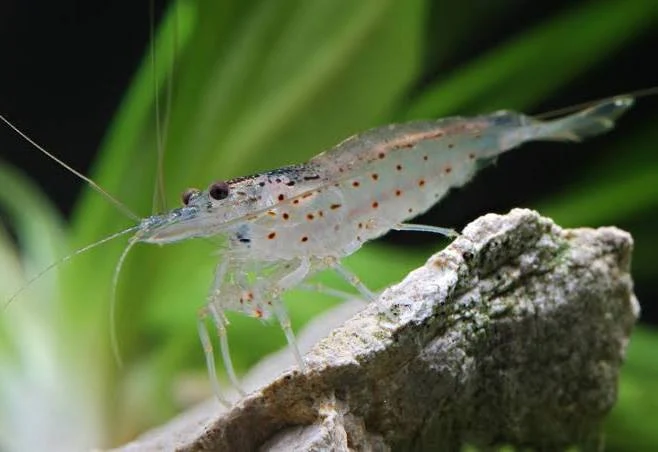
- Amano shrimp (Caridina multidentata): Hardy Caridina species, good algae eaters[1][3][5]
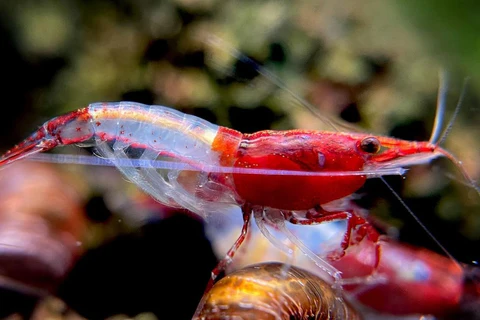
- Neocaridina varieties (Blue Dream, Rili): Most adaptable, easier care requirements[7][11][19]
Water Parameter Compromise
The established parameters favor the most sensitive species (Crystal shrimp):
- Temperature: 22-24°C accommodates Crystal shrimp while being acceptable for others
- pH: 6.5-6.8 meets Crystal shrimp needs while staying within tolerance for Neocaridina
- Hardness: 80-107 ppm provides minerals for all species while not exceeding Crystal shrimp limits
Behavioral Compatibility
All species are peaceful and non-aggressive toward each other:
- Amano shrimp: Largest (3.5-5cm), excellent algae eaters, won't prey on smaller species[1][5]
- Crystal shrimp: Small (2-2.5cm), delicate, prefer cooler water[14]
- Neocaridina varieties: Hardy breeders, active scavengers, similar size to Crystal shrimp[7][11]
Population Guidelines
For 50L tank capacity:
- Amano shrimp: 4-6 individuals (lower bioload, larger size)[1][9]
- Crystal shrimp: 6-8 individuals (sensitive to crowding)[6][14]
- Blue Dream: 6-8 individuals
- Rili: 6-8 individuals
- Total: 22-30 shrimp maximum with excellent filtration
Breeding Considerations
- Neocaridina varieties: Will breed readily and may hybridize, potentially losing pure coloration[7][11]
- Crystal shrimp: Require stable conditions for successful breeding[6][14]
- Amano shrimp: Require brackish water for larval development (won't reproduce in freshwater)[1][5]
Risk Management
- Temperature sensitivity: Crystal shrimp are most vulnerable to temperature fluctuations[6][14]
- Water quality: Any parameter swings will affect Crystal shrimp first
- Feeding competition: Amano shrimp may outcompete smaller species for food
- Success indicator: If Crystal shrimp thrive, other species will definitely succeed
Setup Success Tips
- Introduce species gradually over 2-3 weeks
- Monitor Crystal shrimp behavior as the "canary in the coal mine"
- Maintain stable conditions religiously - this setup has no room for parameter swings
- Consider this an intermediate to advanced setup despite the "easy" rating due to Crystal shrimp requirements