Setup Instructions
Initial Tank Preparation
Clean your 50L aquarium thoroughly with aquarium-safe products. Position away from direct sunlight but ensure adequate natural or artificial lighting for the red Alternanthera cardinalis plants. Since this is a filtration-free setup, proper positioning and water circulation planning are crucial.
Substrate and Hardscape
Install 2-3 inches of fine to medium gravel substrate, creating gentle slopes and valleys for visual interest. Rinse gravel thoroughly to remove dust. Add pieces of driftwood or smooth rocks to create hiding spots for shrimp and break up sight lines for the Betta, reducing territorial stress.
Plant Installation
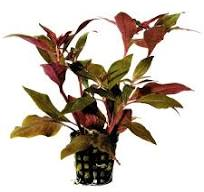
Plant Alternanthera cardinalis in the background and mid-ground areas, spacing them to allow growth expansion. These red plants require medium to high lighting (8-10 hours daily) and will serve as natural biological filtration. Plant densely enough to consume fish waste nutrients but leave swimming space for the Betta.
Water Parameters Setup
Fill with dechlorinated water and establish these parameters:
- Temperature: 24-25°C (optimal overlap for all species)
- pH: 6.5-7.0 (compromise between plant and animal needs)
- Water hardness: 70-129 ppm (accommodating shrimp requirements)
Natural Filtration System
Without mechanical filtration, rely on planted biological filtration and beneficial bacteria colonies. Add a small air stone for gentle water movement and oxygenation without creating strong currents that stress the Betta.
Cycling and Maturation
Allow 6-8 weeks for ecosystem establishment. Introduce hardy plants first, then shrimp colonies after 4 weeks, and finally the Betta after full cycle completion. Monitor water parameters closely during this extended setup period.
Maintenance Tips
Weekly Water Management
Perform 15-20% water changes weekly using temperature-matched, dechlorinated water. Pour slowly to avoid disturbing substrate and stressing inhabitants. Without filtration, consistent small water changes are critical for maintaining water quality.
Plant Maintenance
Trim Alternanthera cardinalis regularly to maintain vibrant red coloration and prevent overgrowth. Remove dead or yellowing leaves immediately to prevent water quality degradation. Provide liquid fertilizer weekly in small doses to maintain plant health.
Natural Filtration Monitoring
Test water parameters twice weekly initially, then weekly once established:
- Ammonia and nitrite should remain at 0 ppm through plant uptake
- Nitrates should stay below 20 ppm through regular water changes
- Monitor pH stability as plant photosynthesis can cause fluctuations
Substrate Care
Gently vacuum gravel monthly, being careful not to disturb beneficial bacteria colonies or stress shrimp. Focus on removing visible debris while maintaining the biological balance.
Feeding Protocol
Feed Betta high-quality carnivorous pellets once daily, offering only what can be consumed in 2-3 minutes. Excess food will quickly deteriorate water quality without mechanical filtration. Shrimp will scavenge naturally and help process organic waste.
Lighting Schedule
Maintain consistent 8-10 hour lighting periods to support plant photosynthesis and oxygen production. Consider a timer for consistency, as plants provide crucial biological filtration in this setup.
Species Compatibility
Betta-Shrimp Dynamics
Critical Consideration: Betta compatibility with shrimp varies significantly by individual temperament. Success depends on:
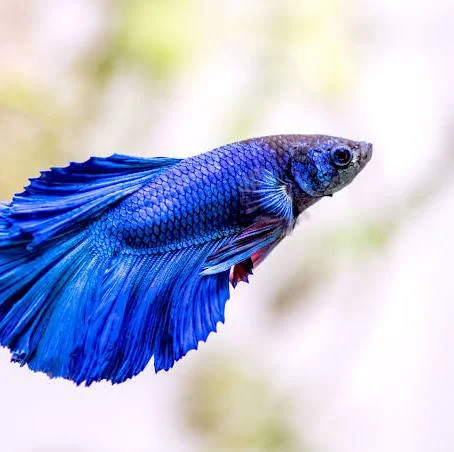
- Betta personality: Choose calm, non-aggressive individuals
- Establishment order: Introduce shrimp colonies before the Betta to establish territories
- Hiding spaces: Provide dense plant coverage and hardscape refuges
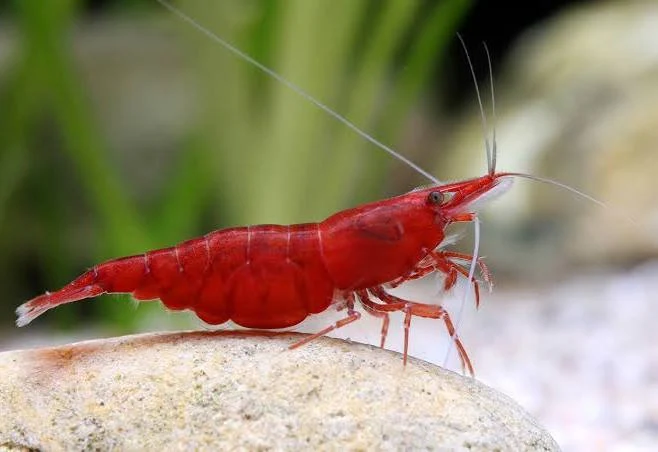
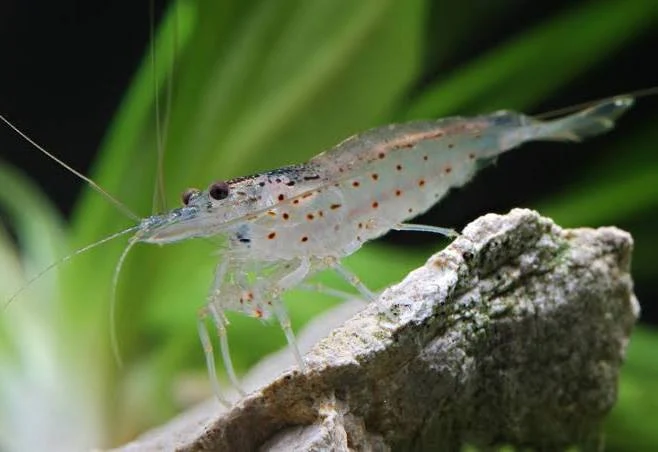
- Size matters: Adult Caridina multidentata (3.5-5cm) are generally too large for Bettas to eat, while Neocaridina davidi may be at risk
Shrimp Colony Balance
- Neocaridina davidi: Start with 8-10 individuals; they breed readily and establish stable colonies
- Caridina multidentata: Include 4-6 individuals as cleanup crew; they're excellent algae eaters and less likely to be predated
- Coexistence: Both shrimp species are compatible and occupy different ecological niches
Environmental Requirements
All species thrive within overlapping parameters:
- Temperature tolerance: 24-25°C sweet spot for all inhabitants
- pH compatibility: 6.5-7.0 range suits all species comfortably
- Water hardness: 70-129 ppm accommodates both shrimp species' needs
Behavioral Observations
Monitor for these compatibility indicators:
- Positive signs: Betta ignores or shows mild curiosity toward shrimp, active shrimp foraging, stable shrimp populations
- Warning signs: Betta actively hunting shrimp, declining shrimp numbers, shrimp hiding constantly during daylight
Feeding Compatibility
- Betta: Carnivorous, requires protein-rich pellets or frozen foods
- Neocaridina: Omnivorous scavengers, consume algae, biofilm, and food debris
- Caridina: Detritivorous, specialize in algae and organic waste cleanup
- Natural balance: Shrimp help maintain water quality by processing Betta waste and uneaten food
Risk Mitigation
- Introduce juvenile Betta that can grow accustomed to shrimp presence
- Provide multiple hiding spots using plants and hardscape
- Maintain adequate shrimp population density to prevent total predation
- Have a backup plan for separating incompatible individuals