Setup Instructions
Initial Tank Preparation
Begin by thoroughly cleaning your 80L aquarium with aquarium-safe cleaners. Position the tank away from direct sunlight and heat sources to maintain stable water conditions. Install your basic filtration system, ensuring proper water flow without creating excessive currents that might stress the schooling fish.
Substrate Installation
Add a 2-3 inch layer of fine sand substrate, which provides a natural appearance and allows beneficial bacteria to colonize. Rinse the sand thoroughly before adding to prevent cloudiness. The sand should be fine enough to avoid sharp edges but substantial enough to maintain its structure.
Water Parameters Setup
Fill the tank with dechlorinated water and establish the following parameters:
- Temperature: 23-28°C (optimal range for both species)
- pH: 6.0-7.0 (compromise between species requirements)
- Water hardness: 36-90 ppm (accommodating the more sensitive Cardinal tetras)
Filtration and Equipment
Configure your basic filter for gentle water movement. Both tetra species prefer calm waters, so adjust flow rates accordingly. Install a reliable heater to maintain consistent temperatures, and add appropriate lighting for viewing (6-8 hours daily).
Cycling Process
Allow 4-6 weeks for complete nitrogen cycle establishment before introducing fish. Monitor ammonia, nitrite, and nitrate levels weekly during this period.
Maintenance Tips
Weekly Maintenance
Perform 20-25% water changes weekly using temperature-matched, dechlorinated water. Vacuum sand substrate gently, focusing on areas where debris accumulates while avoiding disturbing the entire bed.
Water Quality Monitoring
Test water parameters bi-weekly:
- Monitor ammonia and nitrite (should be 0 ppm)
- Keep nitrates below 20 ppm
- Check pH stability within the 6.0-7.0 range
- Verify temperature consistency
Filter Maintenance
Clean filter media monthly by rinsing in tank water (never tap water) to preserve beneficial bacteria. Replace mechanical filtration media as needed while maintaining biological media.
Feeding Schedule
Feed small amounts 2-3 times daily, offering only what fish can consume within 2-3 minutes. Provide varied diet including high-quality flakes, micro pellets, and occasional frozen or live foods like bloodworms or brine shrimp.
Observation Protocol
Monitor fish behavior daily for signs of stress, disease, or aggression. Healthy schools should move cohesively, with active feeding responses and vibrant coloration.
Species Compatibility
Intraspecies Dynamics
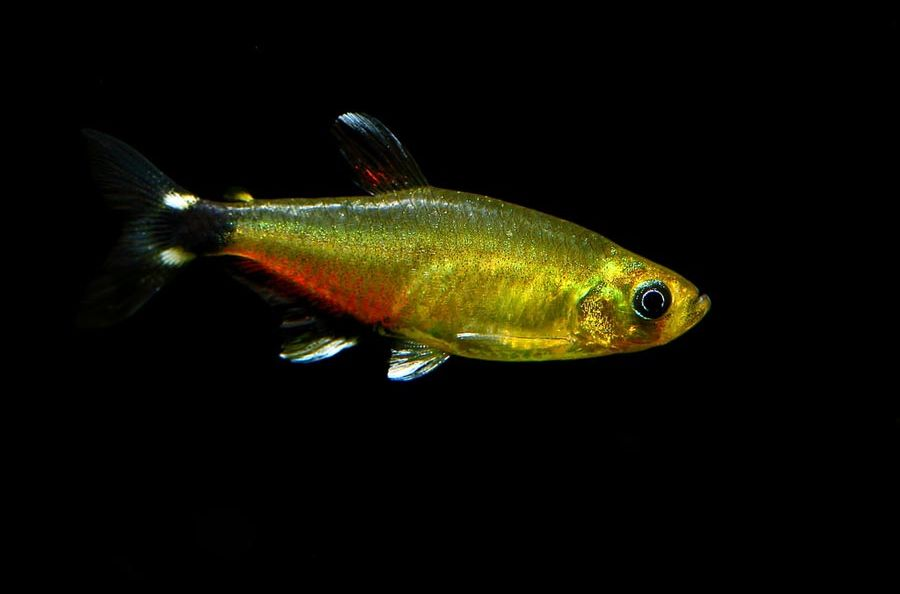
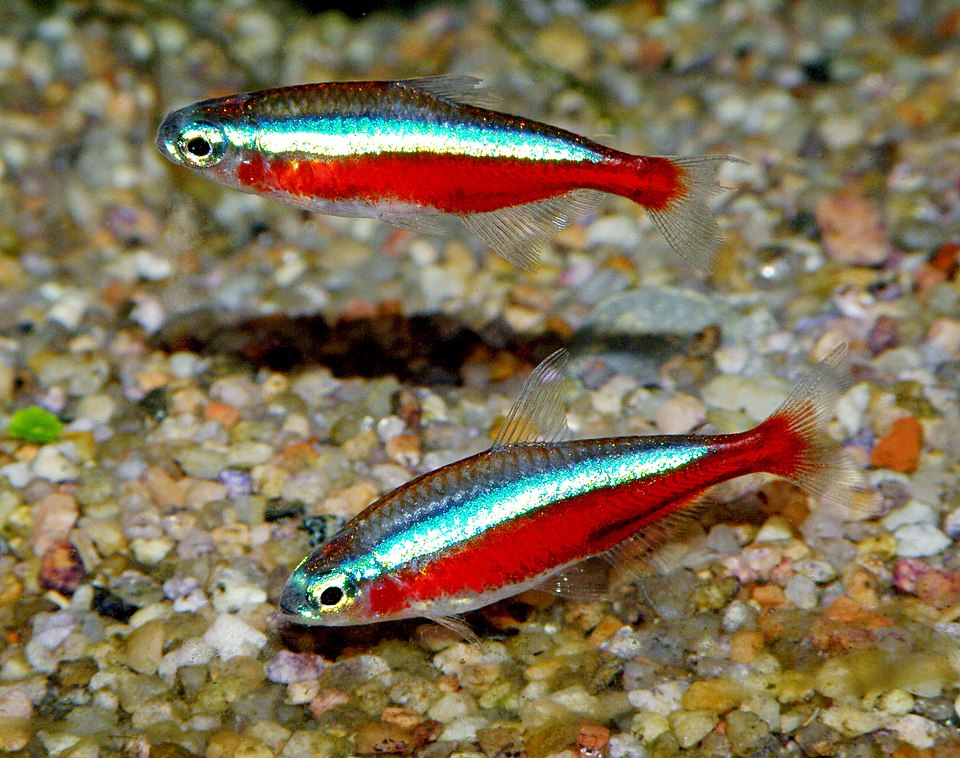
Both Aphyocharax nattereri and Paracheirodon axelrodi are natural schooling species requiring groups of 6-8 individuals minimum per species. In an 80L tank, maintain 6-8 of each species for optimal schooling behavior and stress reduction.
Interspecies Compatibility
These two tetra species are highly compatible due to:
- Similar size range: Both reach 4-5cm adult size
- Comparable temperaments: Peaceful, non-aggressive nature
- Overlapping water requirements: Both thrive in similar pH and temperature ranges
- Feeding compatibility: Both are omnivores with similar dietary needs
Behavioral Considerations
Cardinal tetras (Paracheirodon axelrodi) tend to school in the middle to upper water column, while Aphyocharax nattereri may display more varied swimming patterns. This creates dynamic visual interest without territorial conflicts.
Tank Capacity Guidelines
For an 80L setup:
- Maximum recommended: 6-8 Aphyocharax nattereri + 6-8 Cardinal tetras
- Bioload consideration: These small, active fish produce moderate waste
- Swimming space: Sufficient room for natural schooling behaviors
Stress Indicators
Watch for compatibility issues such as:
- Isolated individuals separating from schools
- Aggressive fin nipping (rare but possible)
- Decreased feeding activity
- Color dulling or erratic swimming patterns