Ludwigia arcuata
Needle-leaf Ludwigia
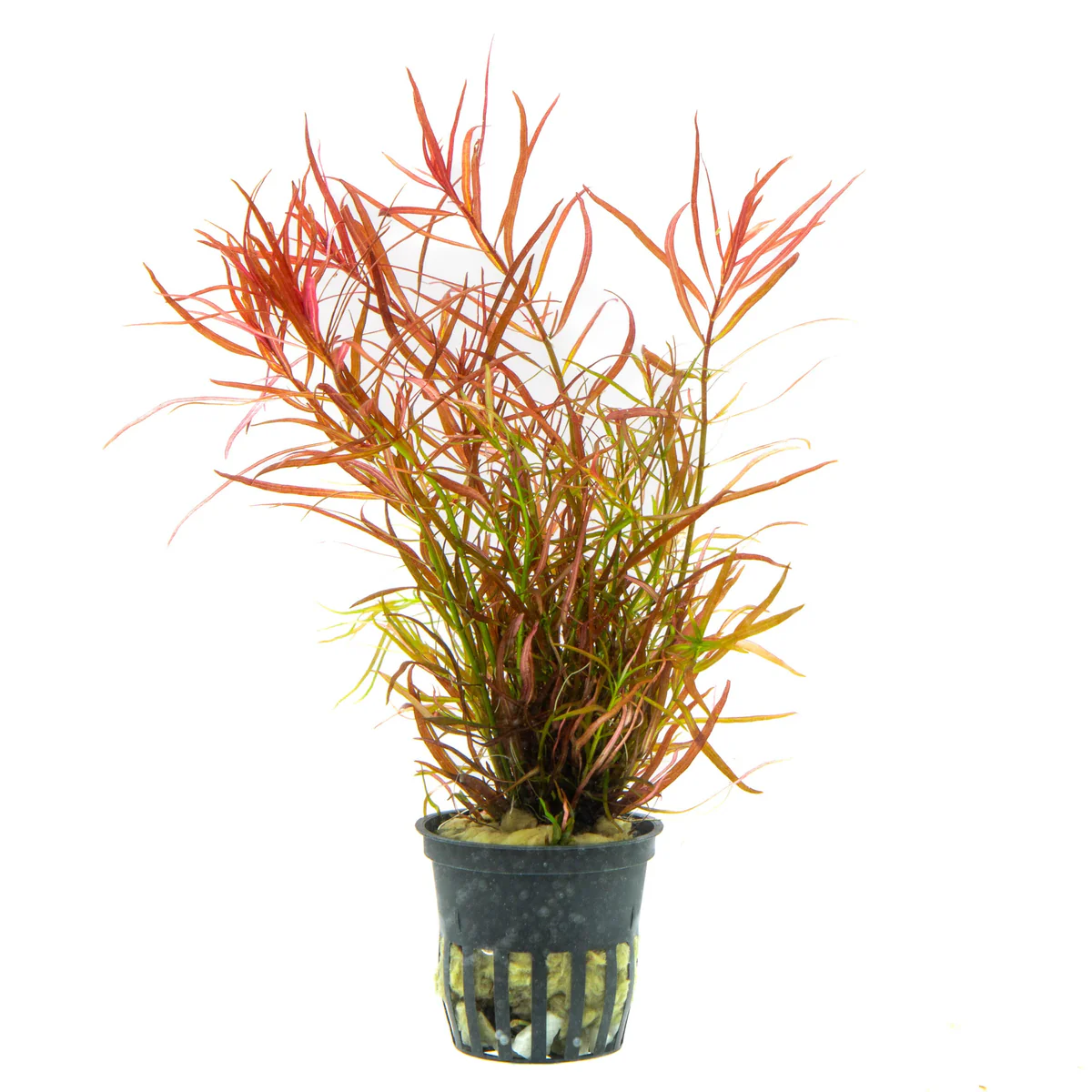
Scientific Classification
Kingdom:
Plantae
Phylum:
Tracheophytes
Class:
Magnoliopsida
Order:
Myrtales
Family:
Onagraceae
Genus:
Ludwigia
Species:
arcuata
IUCN Status:
Least Concern
Quick Stats
Difficulty:
Medium
Environment:
Freshwater
Temperature:
20-28°C
pH Level:
5.5 - 7.5
Water Hardness:
36 - 180 ppm
Growth:
Moderate
Lighting:
Medium - High
Max Height:
10-50cm
Placement:
Midground
CO2 Requirements:
Medium
Water Flow:
Low Flow
Aquarium Building Information
Max Height:
10-50 cm
Placement:
Midground
Lighting:
Medium - High
Growth:
Moderate
CO2 Requirements:
Medium
Water Flow:
Low Flow
Substrate:
Sand, Gravel, Soil
Attachment Method:
substrate
Oxygen Production:
High
Waste reduction:
Medium
About This Species
Basic Description
Needle-leaf Ludwigia is a delicate stem plant prized for its fine, needle-like foliage, adding a graceful texture to planted freshwater aquariums. Native to North America, this plant is a popular choice for aquascapers looking to create a soft, lush appearance in the middle sections of their tank. It thrives when provided with ample illumination and a stable supply of nutrients. While it can adapt to a range of conditions, its growth is most robust with the addition of carbon dioxide. As it grows, it contributes significantly to the oxygenation of the water, benefiting the entire aquatic ecosystem. Its moderate growth rate allows for manageable upkeep, typically involving occasional trimming to maintain its desired shape and height. This plant provides excellent shelter for small fish and shrimp, helping to create a natural and secure environment for tank inhabitants. Due to its specific care needs, it is considered a rewarding challenge for aquarists looking to advance their skills beyond basic plants.
Detailed Description
Ludwigia arcuata, often sought out by aquascaping enthusiasts, is a stem plant that introduces a unique and elegant structure to an aquarium layout. Its most defining feature is its slender stems adorned with very narrow, pointed leaves, which create a fine-textured, almost feathery appearance. This makes it an excellent contrasting plant when placed near broad-leaved species, adding depth and complexity to the overall design. Thriving as a midground plant, it can reach a considerable height, forming dense bushes with regular pruning. Its care is considered moderately difficult, primarily because it shows its best form under specific conditions. Intense lighting is essential for compact and healthy growth; in lower light, the stems may become leggy as the plant stretches towards the source, and it may shed its lower leaves. A consistent supply of carbon dioxide is highly recommended to support its metabolic processes, resulting in faster and more vigorous growth. This plant is a moderate feeder, absorbing nutrients from both the water column and the substrate. Therefore, a comprehensive fertilization routine including liquid supplements and a nutrient-rich substrate is beneficial. It prefers gentle water movement, as strong currents can damage its delicate stems. Healthy specimens are prolific oxygen producers and play an active role in nutrient cycling, helping to maintain water quality by absorbing nitrates and phosphates. Regular trimming of the top shoots encourages the plant to send out side stems, leading to a fuller, bushier look. These trimmings can then be replanted to easily propagate the plant.
Scientific Description
Ludwigia arcuata is a herbaceous perennial species belonging to the Onagraceae family, commonly known as the evening-primrose family. As a validated species native to the coastal plains of the southeastern United States, it typically inhabits wetlands, ditches, and the margins of slow-moving, acidic, and soft water bodies. Its species name, 'arcuata,' is Latin for 'bowed' or 'arched,' which can refer to the graceful arching habit of its emergent stems in nature. Morphologically, the plant is characterized by its thin, flexible stems. In its submerged form, it produces sessile, linear leaves arranged oppositely or in whorls around the stem. These leaves are exceptionally narrow, contributing to its common name, 'Needle-leaf.' In emersed conditions, its leaves may become slightly broader and it can produce small, inconspicuous yellow flowers with four petals, typical of the Ludwigia genus. Ecologically, L. arcuata serves as an important primary producer, contributing high levels of dissolved oxygen to its environment through photosynthesis. It provides structural complexity in its habitat, offering refuge for macroinvertebrates and fish fry. Its root system helps stabilize anoxic sediments in its native wetlands. Its classification with an IUCN Red List status of 'Least Concern' (LC) reflects its stable and relatively widespread population in its natural range. In a controlled aquarium environment, it demonstrates a medium rate of nutrient absorption, utilizing both root and foliar uptake to sequester nitrogenous compounds and phosphates, thereby acting as a biological filter.
Reproduction Description
Propagating Needle-leaf Ludwigia is a relatively simple process suitable for most hobbyists and is accomplished primarily through asexual reproduction. While the plant can produce flowers and seeds in its emersed form, this method of sexual reproduction is uncommon and impractical in a submerged aquarium setting. The most effective propagation technique is taking stem cuttings. This method not only creates new plants but also helps in maintaining the parent plant, encouraging it to grow bushier. To begin, use sharp aquascaping scissors to snip the top few inches of a healthy, robust stem. Cuttings should have several sets of leaves. After taking the cutting, carefully remove the leaves from the lowest node to prevent them from rotting under the substrate. The bare end of the stem can then be planted directly into the substrate. A nutrient-rich substrate, such as aquarium soil, will significantly aid in the development of a strong root system. For successful propagation and establishment, ensure the new cuttings receive ample resources. Strong illumination, a consistent supply of injected carbon dioxide, and a balanced liquid fertilizer regimen will accelerate root growth and the emergence of new leaves. Initially, the cutting will dedicate its energy to anchoring itself, so visible top growth may be minimal. Once rooted, it will resume vertical growth. The original trimmed stem will often sprout new side shoots from the nodes below the cut, which can also be trimmed for propagation once they are large enough. Plant cuttings with enough space between them to ensure light and water can reach all parts of the plant, which helps prevent melting or fungal issues.
Generate Printable Card
Create a printable card for this creature to display in your store or aquarium. The card includes a QR code for quick access to more information.