Amphiprion ocellaris
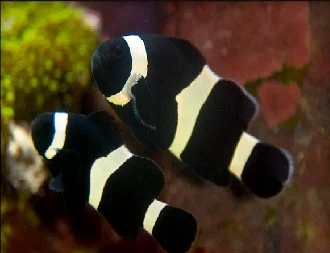
var. Black
Scientific Classification
Quick Stats
Aquarium Building Information
About This Species
Basic Description
Detailed Description
A quintessential marine species, the Ocellaris Clownfish is prized by hobbyists for its resilience and fascinating behaviors. In their natural Indo-Pacific reef habitats, they exist in warm, stable marine environments with moderate water currents, which should be replicated in a home aquarium for optimal health. A mature aquarium with stable, warm water and consistent salinity is crucial for their well-being. Their physiology is well-suited to the reef, with a laterally compressed body that allows for nimble maneuvering through intricate rockwork and corals.
While famously associated with host anemones in the wild, providing one is not strictly necessary in an aquarium, as they will often adopt a flowing coral, a rock structure, or even a corner of the tank as their home base. This territorial instinct is a core part of their behavior; a bonded pair will actively defend their chosen area, though their aggression is typically confined and manageable. They are best kept as a single specimen or a mated pair, as introducing new individuals later can lead to conflict. Their social structure is built around a dominant-subordinate pairing. As omnivores, their diet in captivity should be varied. A high-quality staple flake or pellet can be supplemented several times a week with meaty foods, like frozen or live preparations, to ensure a balanced intake of protein and vegetable matter. This mimics their natural diet of algae and small crustaceans. With a moderate metabolism and relatively low oxygen consumption, they place a lighter-than-average biological load on the aquarium's filtration system for a fish of their size, but consistent maintenance and water quality remain paramount for their long-term health and impressive lifespan.
Scientific Description
Amphiprion ocellaris is a marine teleost belonging to the family Pomacentridae, commonly found in the shallow lagoons and coastal reefs of the Indo-Pacific. Its morphology is characterized by a compressiform, or laterally compressed, body shape, which facilitates agile movement within complex three-dimensional reef structures. This species exhibits a moderate metabolism and a correspondingly low rate of oxygen consumption and waste production, resulting in a bioload factor that is manageable in closed aquatic systems. It is adapted to a narrow range of environmental parameters, thriving in tropical saltwater with stable temperature, pH, and salinity levels. Its IUCN Red List status is currently listed as Least Concern, indicating a stable and widespread wild population.
The most notable ecological characteristic of A. ocellaris is its facultative symbiotic relationship with several species of sea anemones. Within this mutualism, the fish receives protection from predation due to the anemone's stinging nematocysts, to which it is immune. In turn, the fish may defend the anemone from predators, remove parasites, and increase water circulation. Behaviorally, A. ocellaris is known for its strong site attachment and territoriality, often centered around its host anemone. Social dynamics are complex and are governed by a size-based dominance hierarchy. The species exhibits protandrous hermaphroditism, where all individuals are born as males, and the most dominant individual in a group will transition into a functional female. Spawning pairs form a strong bond and engage in biparental care of their demersal eggs.
Breeding Description
The captive breeding of Amphiprion ocellaris is considered a moderately difficult but achievable endeavor for the dedicated hobbyist. The most reliable method for establishing a breeding pair is to acquire two juvenile fish and allow them to grow together. As protandrous hermaphrodites, the larger and more dominant individual of the two will develop into the female, while the smaller, more submissive fish will remain male. A clear size difference between the two is the primary indicator of a successfully formed pair.
To encourage spawning, the pair should be conditioned with a nutrient-rich and varied diet. This includes frequent feedings of high-protein foods such as frozen and live options, in addition to a high-quality staple pellet or flake. Pristine and stable water parameters mimicking their natural environment are essential to trigger reproductive behaviors. The pair will select and meticulously clean a flat surface for egg deposition, which is often a rock, a broad-leafed macroalgae, or an introduced object like a small clay tile placed near their chosen territory. The female will make several passes to deposit the adhesive eggs, with the male immediately following to fertilize them. The male typically assumes the primary role of caring for the clutch, diligently fanning the eggs with his fins to maintain oxygenation and removing any unfertilized eggs. The eggs will develop for approximately a week before hatching, usually shortly after the aquarium lights turn off. The larvae are minuscule and require a separate, pre-established grow-out tank with gentle filtration to avoid being harmed. Initial feeding is the most critical stage, requiring microscopic foods such as cultured rotifers, followed by newly hatched brine shrimp as they grow.
Related Images
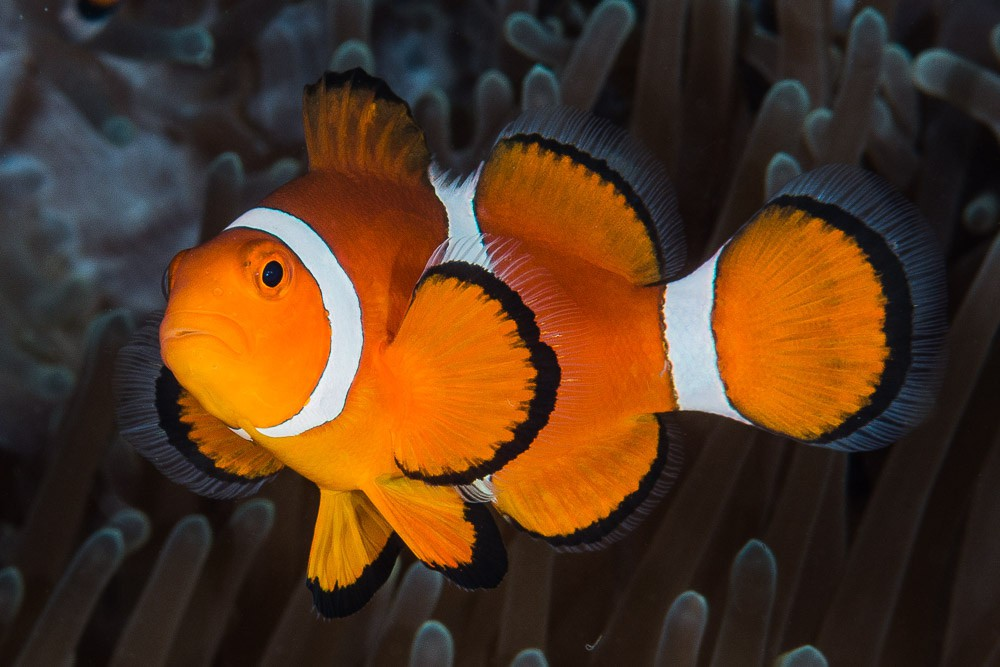
Nemo
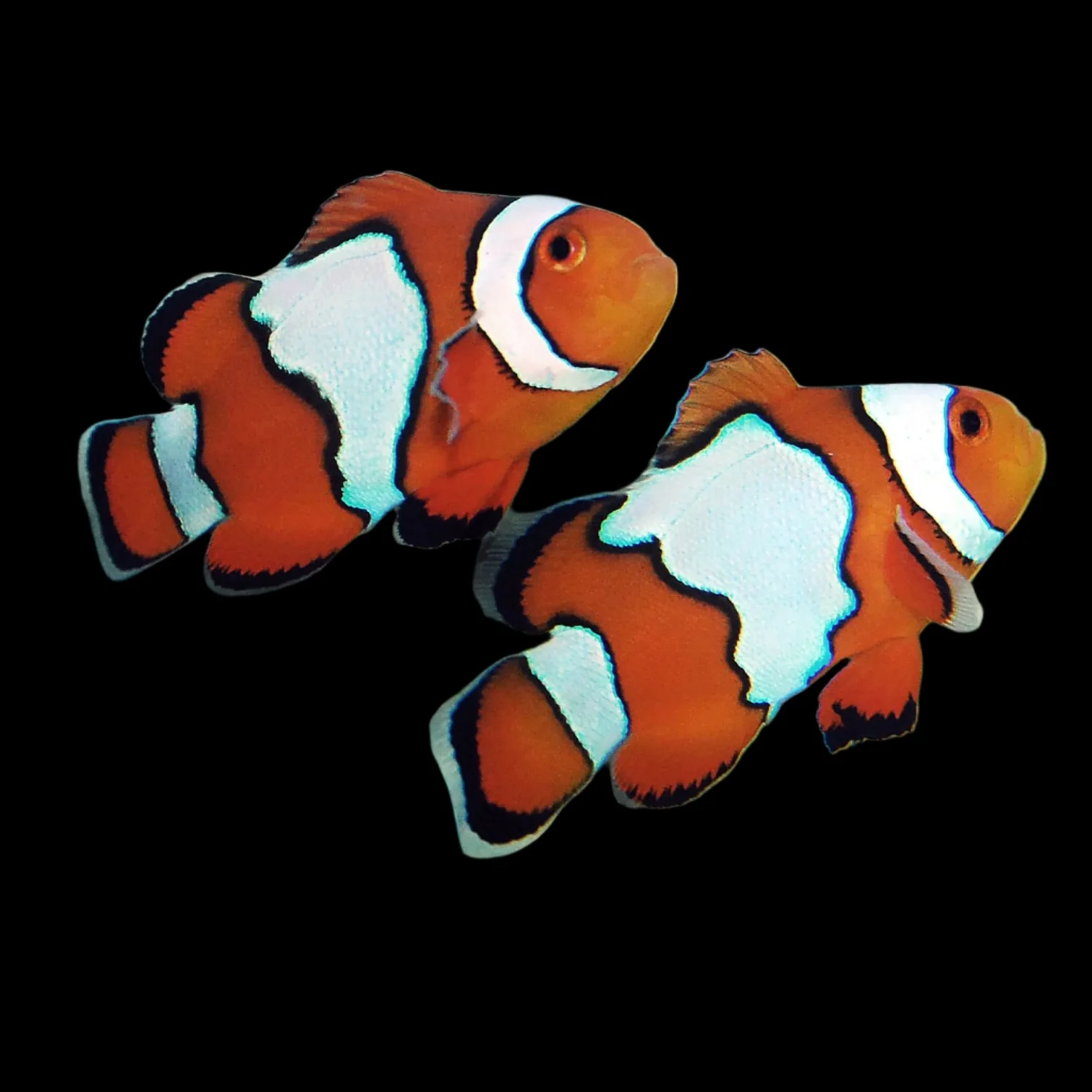
Fancy Snowflake
Black
Generate Printable Card
Create a printable card for this creature to display in your store or aquarium. The card includes a QR code for quick access to more information.